Preparing Your Fence for a Stormy Spring
Preparing Your Fence for a Stormy Spring
Springtime often brings unpredictable weather patterns, including heavy rain, high winds, and sudden temperature shifts. We have seen how these conditions can challenge the durability of fences in both residential and commercial properties. Below, we offer a detailed guide on fortifying your fence for an approaching stormy season and ensuring it remains sturdy for years to come.
Understanding the Impact of Spring Storms on Fences
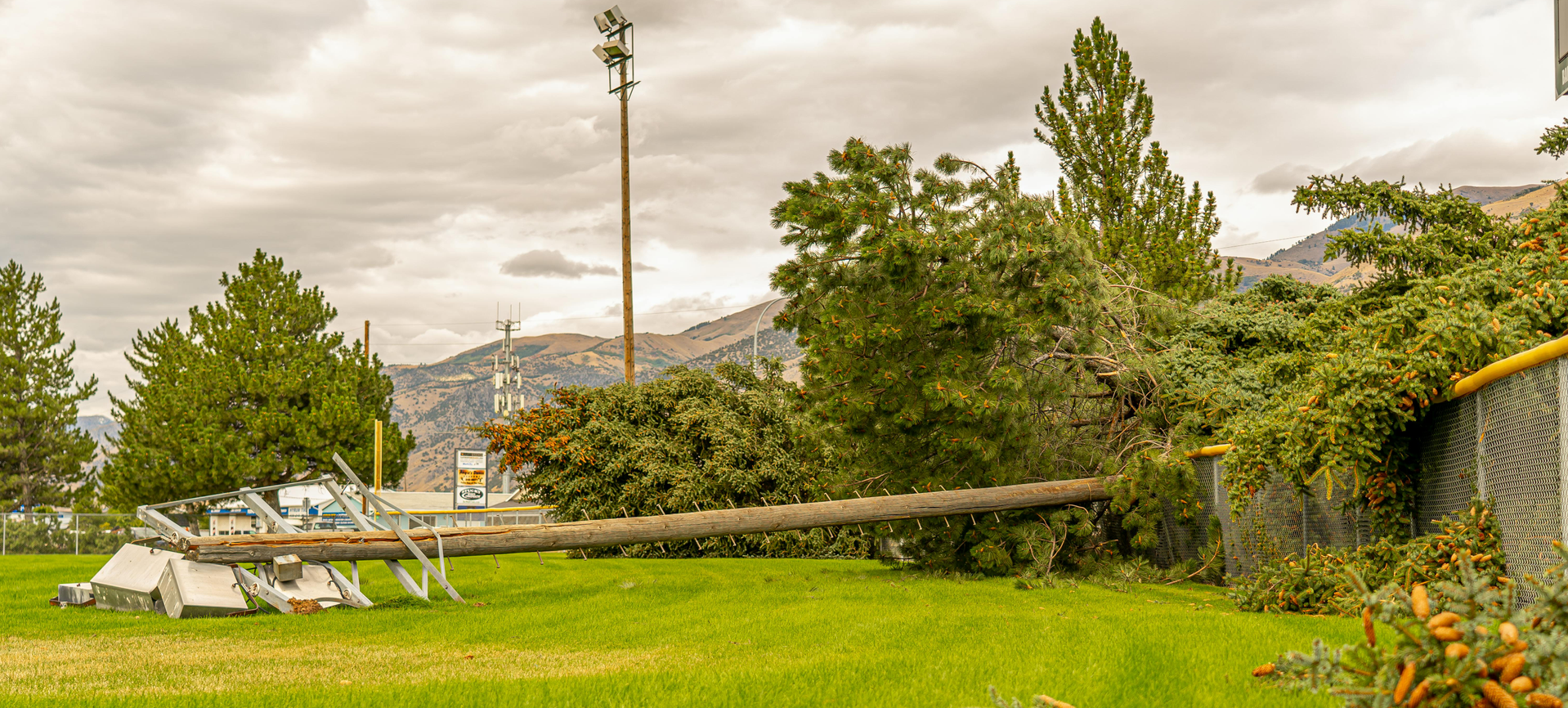
Stormy spring weather can exert significant stress on fence structures. High winds may loosen boards and posts, heavy rainfall can weaken the soil around fence posts, and fluctuating temperatures contribute to warping and cracks.
We have observed how taking preventive measures helps mitigate storm damage, preventing costly repairs and maintaining curb appeal.
Choosing Robust Fence Materials
Wooden Fences
Wooden fences are valued for their classic charm. We recommend selecting durable species such as cedar, redwood, or pressure-treated pine. These woods naturally resist decay and are less prone to insect damage. Regular sealing or staining further protects wooden fences against moisture absorption.
Vinyl Fences
Vinyl offers excellent resilience against stormy weather. We have found that quality vinyl materials resist warping, rotting, and splintering. Reinforced vinyl styles include aluminum supports within the panels for added strength and stability.
Aluminum and Steel Fences
Aluminum and steel fences are popular for their low maintenance requirements. They resist rust, require minimal upkeep, and can withstand heavy gusts of wind when properly installed with sturdy posts and brackets.
Step-by-Step Fence Inspection
- Examine Each Panel and Board: We look for signs of cracking, rotting, or warping. Wooden fences may show discoloration or fungus growth, while vinyl fences might have slight warping if exposed to intense heat or shifting soil.
- Check Fasteners and Hardware: We ensure all screws, nails, and brackets are tight and rust-free. Loose hardware can cause excessive movement in high winds, leading to more extensive damage.
- Assess Post Stability: We recommend testing fence posts for wobbling by gently applying pressure. If a post moves even slightly, the surrounding soil may require reinforcement or the post itself may need repositioning.
- Evaluate Gates and Latches: Gates are susceptible to strain when high winds change their alignment. We check gateposts, hinges, and latches for signs of wear or improper installation.
Reinforcing Fence Foundations
Tamping and Soil Backfill
We often find that fences start to lean due to loose soil around the posts. Tamping down the earth or adding new soil around the base of each post provides extra stability. Properly compacted soil limits movement during heavy rainfall.
Concrete Footings
For more robust support, we pour new concrete footings or reinforce existing ones. A concrete footing around the posts offers a reliable anchor against wind uplift and water-induced soil shifts.
Anchoring Systems
In areas prone to severe storms, we have had success using metal post anchors or brackets. These components fasten the fence post securely to buried footings, reducing motion and preventing tilting.
Protective Coatings and Treatments
Weather-Resistant Paints and Stains
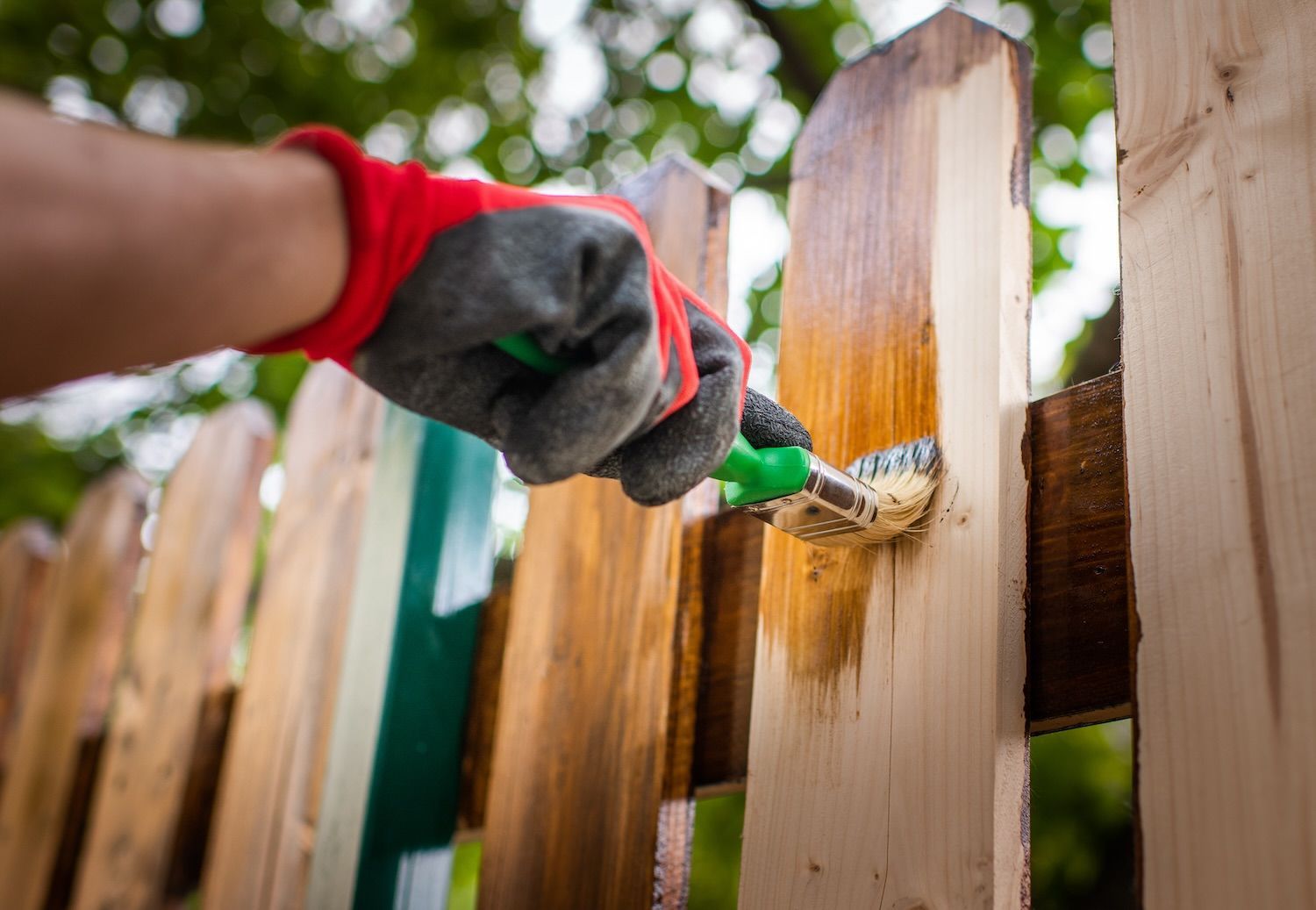
We recommend applying a premium exterior paint or stain to wooden fence panels. This shields the wood from moisture, insects, and UV rays, preserving structural integrity and prolonging the fence’s aesthetic appeal.
Sealants for Wood
We focus on water-repellent sealants to prevent damage from repeated exposure to rainfall. A thorough application of clear sealant creates a protective barrier that minimizes swelling, cracking, and rot.
Protective Coatings for Metal
Proper galvanization or powder coating on aluminum and steel fences offers excellent resistance to rust and corrosion. We carefully check any worn sections of the coating and reapply to extend the fence’s lifespan.
Pre-Storm Preparations and Safety Measures
Trimming Nearby Foliage
Overhanging branches can snap off during storms, damaging fence panels. We trim trees and shrubs regularly, ensuring they are clear from fence lines to minimize falling debris.
Removing Loose Objects
Items such as patio furniture, yard tools, or recreational equipment can become projectiles in high winds. We secure or store these items well before the storm to protect the fence from accidental impact.
Checking Drainage Pathways
Pooling water weakens fence post foundations and hastens wood rot. We confirm that gutters, downspouts, and yard drains direct water away from the fence line. Proper drainage prevents soil erosion and reduces stress on the fence structure.
Post-Storm Recovery and Maintenance
- Immediate Assessment: Once the storm passes, we recommend inspecting the fence for any shifts, cracks, or newly damaged sections. Addressing these promptly can prevent more extensive structural problems.
- Repairing Damaged Areas: Loose panels, missing boards, or bent rails should be replaced as soon as possible. We reinforce the soil around posts if it has washed out or loosened.
- Long-Term Preservation: After completing necessary repairs, reapply protective coatings or sealants. This step restores any compromised areas and prepares the fence for future weather events.
Conclusion
A proactive approach to fence maintenance pays off significantly during stormy spring weather. Robust materials, thorough inspections, proper reinforcements, and timely repairs help avert extensive damage. By taking these measures, fences endure harsh conditions, preserving their appearance and performance season after season.
If you need a professional to check your fence and ensure it's ready to withstand the Spring storm season, contact C & J Fencing.